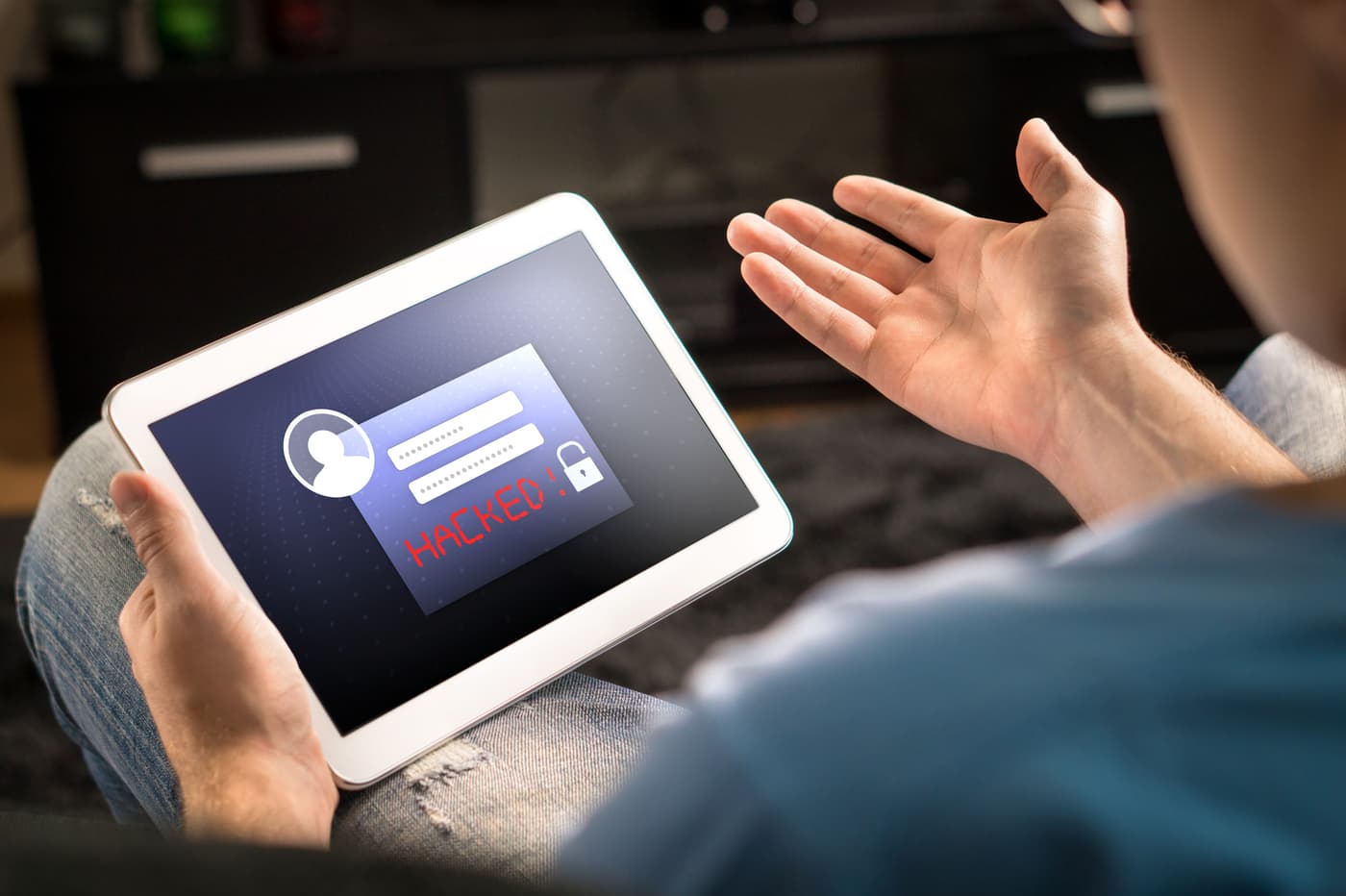

The rise of the internet and connected devices have ushered in a completely new way people connect with others. Personal blogs and social media have made us extremely interconnected and offer great benefits. However, too often people overshare on social media, putting their personally identifiable information out there for the take. Oversharing leads to identity theft, tax fraud, financial loss, and privacy invasion. By taking the time to understand the best online privacy awareness practices, you can use social media safely and avoid oversharing online risks. This article will help you to understand what the dangers of oversharing on social media are, give you safe social media practices, and help you figure out how to stop oversharing on social media.

The Dangers of Oversharing On Social Media
It’s easy to forget sometimes that the information we put out on the internet could be accessed by almost anyone at any time from everywhere around the world. So the dangers of oversharing on social media are simple, revealing too much information can be used against you to commit fraud, identity theft, and more. It should be obvious that things like your Social Security Number should never be shared online. But less obvious is the information that might give away key details of your life, such as travel information. If you repeatedly post about travel plans, it could enable thieves to track down your location and break into your home while you’re on that trip abroad.
When you share details online, whether it’s on social media or elsewhere, they could be accessible indefinitely. Regarding social media, online scammers and criminals do not need a PhD in computer science to get a hold of your information. Often the information is right there for the taking in plain sight. Scammers are also clever and have been known to piece together small details from various posts to build one succinct identity and use it for fraudulent purposes.
How Cybercriminals Exploit Personal Information
There are several ways that online scammers can infiltrate your privacy and steal personal details from your social media accounts or other online platforms. Some notable examples include phishing scams, social engineering attacks, and data scraping. Phishing attacks are the most common and you’ve likely heard of them by now. Phishing attacks usually contain some form of social engineering tactic to usher in a sense of urgency or personalization that gets you to click on a phishing link. Data scraping refers to the act of an online hacker taking data from publicly available sources (like social media feeds) and hijacking the information to use for fraudulent purposes. If a criminal gets their hands on your information, they can open credit cards in your name, apply for loans, commit tax fraud, and much more.
Common Oversharing Online Risks: Social Media and Identity Theft
Posting Personal Details
Sharing or posting personal details online is one of the main ways a scammer uses your oversharing against you. These details often include birthdates, phone numbers, or even home addresses, and are used to commit identity theft. No information is too trivial as even the smallest detail can be used to piece together things such as your answers to security questions. It’s important to always think hard about the information you share online and consider the possible ramifications of that information being online.
Location Sharing and Travel Announcements
We touched on this before, but sharing your travel details or your exact location is very dangerous. This can alert criminals that your home or place of work might be unoccupied and gives them a chance to break in. Moreover, your location data can be used to track your routines, giving a criminal a comprehensive schedule around your life. Once an attacker knows your schedule, they can exploit gaps to commit fraud, theft, or other scams on you and your family.
Sharing Financial Information
Sharing financial information such as your paycheck, invoices, or banking statements can easily be used to commit financial fraud. Never share these details on social media, they are extremely sensitive and if they get into the wrong hands your identity can easily be stolen. This can affect your credit score and your standing with creditors, along with financial loss.
Revealing Workplace Information
Oversharing on social media about your work is also dangerous. Revealing workplace information could expose sensitive company details that could be used to commit fraud. Cybercriminals can use employment history and job titles to impersonate employees, execute corporate fraud, or launch phishing attacks against businesses. Information about job roles, promotions, and internal policies can be used by scammers to exploit professional relationships.
Posting About Children and Family Members
Oversharing about your children or family members on social media can be very dangerous. It can put their lives in jeopardy. Parents often share pictures and personal details about their children, unaware that such information can be misused. Criminals can exploit images and personal data for scams, identity theft, or even cyberbullying. Additionally, detailed information about children can be used for child identity theft, which may go undetected for years.
Online Privacy Awareness: How to Stop Oversharing
Developing online privacy awareness can help you recognize online scams and prevent a host of other complex security risks. Understanding what, where, and how to share information online is the first step in safeguarding your sensitive personal data. Here’s how to stop oversharing like a pro:
Be Mindful of What You Post
This bit of online privacy awareness is the most obvious and easiest to do - think before you post. Avoid sharing things like your location, credit card number, Social Security Number, and other sensitive information. More often than not, these things are not necessary to share on social media. If you want to share your travel details, for example, wait until after you’ve returned from your trip. That way everyone can see what a great time you had while not allowing criminals to get into your house unoccupied.
Adjust Privacy Settings
All social media and online platforms will usually offer some sort of privacy settings that could be adjusted to meet your desired needs. This could include who gets to interact with you or even view your posts. Altering privacy settings can ensure that your personal information or data does not get shared with the wrong people. Make sure to also look into terms and conditions as well as company privacy policies to ensure you are comfortable with their practices.
Limit Personal Information on Public Profiles
Avoid sharing your full name, birthdate, phone number, home, and word address on your social media profiles. If possible, use aliases to ensure your profile contains as little sensitive personally identifiable information as possible, unless they are needed.
Use Strong Passwords and Two-Factor Authentication (2FA)
Using a password manager like the one offered in the Mozo security platform will ensure your passwords are stored securely and out of reach from hackers. Setting up 2FA will also add an extra layer of security by having a code generated when you attempt to log in to a platform. You should always create complex and unique passwords for each account and changing your passwords regularly should also be done to ensure strong security.
Safe Social Media Practices to Prevent Identity Theft
Adopting safe social media practices is essential to minimize your exposure to online scams and advanced cyber attacks. The following strategies can help protect your personally identifiable information and ward off identity theft.
- Review Your Friend List: Limit your connections to only people that you know. Cybercriminals often create fake profiles to gain access to private information and they are sometimes hard to spot.
- Do Not Open Suspicious Links or Messages: Hackers use phishing links disguised as legitimate materials to steal passwords, logins, and infect devices with viruses. Never click on unsolicited links or respond to DMs.
- Disable Location Tracking Turn off location tracking to prevent social media platforms from collecting location data.
- Be Wary of Third-Party Apps: Only download apps from trusted sources and review their requested permissions before granting access.
Social Media and Identity Theft: Protecting Digital Identity in the Age of Oversharing
Protecting digital identity requires ongoing awareness and action. Taking extra precautions to safeguard personal data can prevent identity theft and fraud.
- Monitor All Accounts and Your Credit Report: Frequent monitoring of your social media profiles, bank accounts, and credit reports will help you detect questionable activities before it’s too late.
- Use Mozo For Identity Theft Protection Mozo’s identity protection offers real-time monitoring and alerts for suspicious activity to help mitigate damage by providing early detection of identity fraud.
- Ongoing Education: Encouraging family and friends to practice online privacy awareness helps create a safer digital environment. Teaching children and elderly relatives about the risks of oversharing prevents them from falling victim to scams and cyber threats.
- Delete Old Accounts: Inactive accounts often contain personal data that can be exploited. Deleting unused social media and online accounts reduces exposure to cyber risks.
Oversharing On Social Media Conclusion
While social media offers us easy connectivity, shopping, news, and other benefits, excessive sharing can leave your identity at risk. Performing safe social media practices and enhancing online privacy awareness are crucial in safeguarding your most personal information. By taking proactive measures you can protect yourself from the dangers of oversharing.
Being mindful of what is shared online ensures a safer digital experience, reducing the chances of falling victim to cybercrime. In an era where data breaches and digital fraud are on the rise, protecting digital identity should be a priority for everyone. For more cybersecurity insights other than learning how to stop oversharing, visit GetMozo.com/blog