
Traveling can be an exciting and enriching experience, but it also presents risks to your security. Online scammers and identity thieves will often target travelers as they may be more vulnerable while visiting unfamiliar surroundings. This article will dive into identity theft travel tips so you can protect your personal information, avoid travel scams, and ensure travel safety for your identity, wherever you may be in the world.

Understanding the Risks of Identity Theft While Traveling
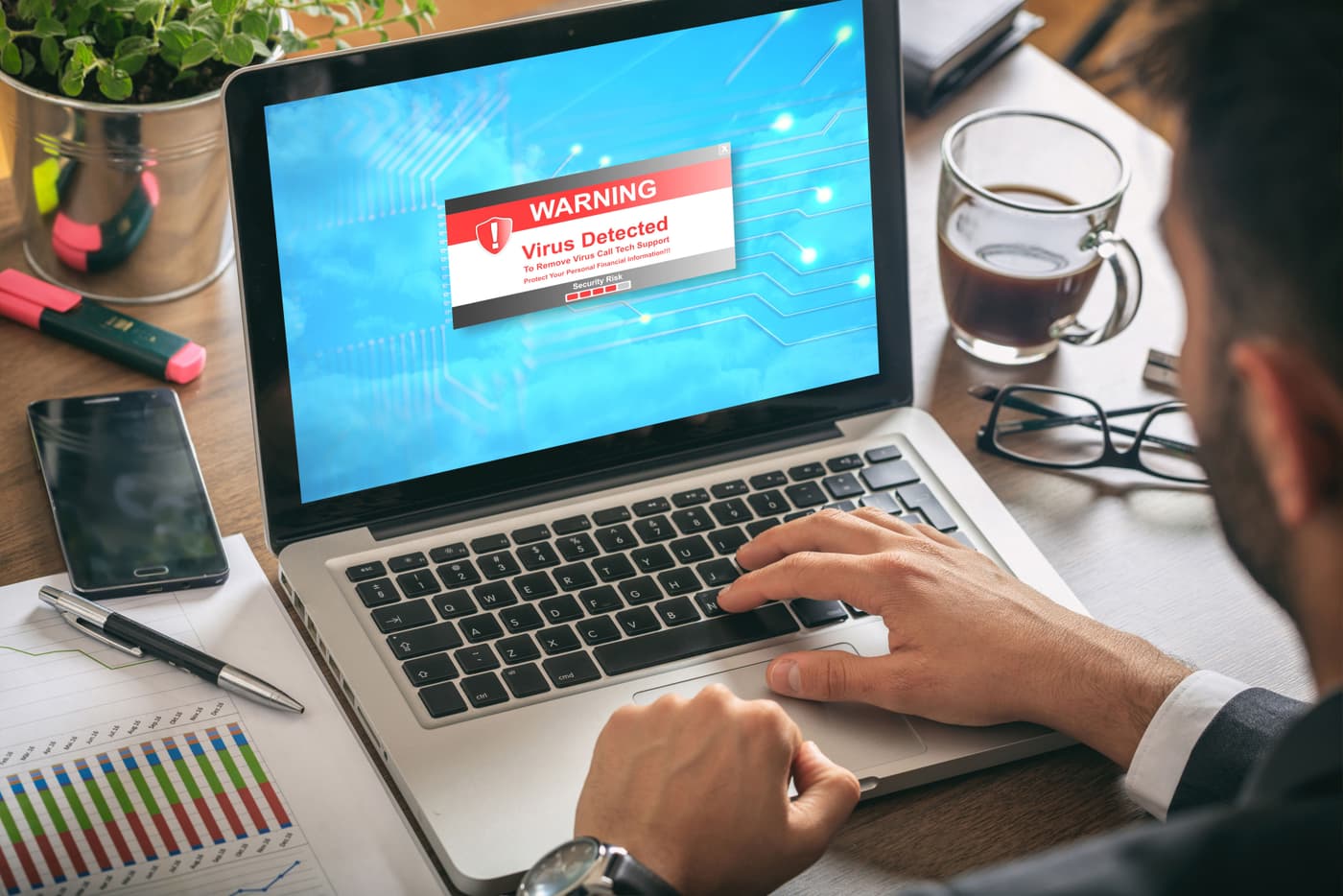
There are several identity theft-related issues you may encounter that are unique to the travel experience. Things like lost or stolen documents, fraudulent travel scams, phishing, and even unsecured public Wi-Fi are some examples. Criminals also can target tourists who are distracted or unfamiliar with local security practices. Identity theft is extremely serious and can result in financial loss, credit card fraud, and long-term damage to your credit score, among others. Understanding the risks of identity theft while traveling is imperative. Online scammers targeting travelers will often use tactics like phishing emails or SMSes that appear to be from hotels, create fake Wi-Fi networks that log sensitive information, install skimming devices at ATMs, or steal people’s financial information. Without the right precautions, a simple oversight could lead to severe consequences.
Pre-Trip Preparation: Securing Your Identity Before You Travel
Securing your identity before you travel is a great way to get ahead of the game. Take the time to follow these steps to ensure your identity remains as secure as possible when you are traveling.
- Notify Your Bank Before You Go: Let your bank and credit card issuers know of your trip dates and destinations before you go. This prevents them from flagging legitimate transactions as fraud and helps them detect suspicious activities that might show up on your account.
- Keep Your Wallet Light: Carry only the essential cards and IDs you will need for the duration of your trip. Leave everything else at home in a safe location including social security cards, and extra IDs. If possible, use a money belt or a hidden travel wallet for extra security.
- Make Copies of Your Documents: Make copies of your passport, driver’s license, credit cards, and anything else that’s important. Keep them in a secure place in case of loss or theft while you are traveling. Pro tip: Email yourself a copy and store another in a password-protected cloud service.
- Get Alerts on Financial Accounts: Set up SMS or email notifications on your bank account and credit cards. This is so you can monitor transactions in real time and know of any suspicious activities as soon as they occur. If your bank offers temporary card freezing, activate it when you are not using your card.
- Browse Securely with Mozo: Securing the device you are using with Mozo will encrypt your internet connection and prevent hackers from intercepting your data when using public Wi-Fi. Cybercriminals often exploit unsecured networks to steal personal data, making cybersecurity software a crucial tool for travelers.
Protecting Your Identity During Travel: Identity Theft Travel Tips
Thankfully, protecting your identity during travel is not that hard! There are a few tricks and tools you can leverage to ensure your identity stays protected and secured.
Avoid Public Wi-Fi for Sensitive Transactions
Public Wi-Fi networks are often unsecured or lack top security protocols, making it easy for online hackers to steal your data or infiltrate your device. Avoid public Wi-Fi and do not log into financial accounts or enter personal information on unprotected networks. If you must, use a VPN to encrypt your entire device, upgrade your privacy, and enhance your overall security standing.
Secure Digital Travel Devices
Use strong, unique passwords on all of your digital devices by leveraging a password manager. If possible, enable biometric authentication (fingerprint or facial recognition) on your phone - this will help if your phone gets stolen. Always keep your devices updated with the latest security patches so they do not contain vulnerabilities, and install remote wipe features in case your device is lost or stolen. Finally, disable file-sharing settings and turn off the Bluetooth setting when you are not using it.
Be Cautious with ATMs and Card Payments
Use ATMs located inside bank branches rather than standalone machines, which can be more vulnerable to skimming devices. When paying by card, opt for chip-enabled transactions and avoid letting your card leave your sight. If available, use contactless payment options to minimize the risk of card skimming.
Beware of Travel Scams
Avoiding travel scams is crucial to protecting your identity. Some common travel scams you should be wary of include fake taxis or unauthorized ride-share drivers, unsolicited "help" from strangers at ATMs, rental listings demanding upfront payments, and even fake police officers demanding to see your passport.
Use RFID-Blocking Wallets and Passport Holders
Identity thieves use RFID (Radio Frequency Identification) skimmers to steal information from passports and credit cards. An RFID-blocking wallet or travel pouch can prevent unauthorized scanning of your sensitive data.
Securing Your Digital Footprint While Traveling: Avoiding Travel Scams
Hopefully, this outline hasn’t scared you into not wanting to travel! The truth is, that securing your digital footprint while traveling can be achieved by a few key steps. Once you learn them, you will feel safe and have confidence when traveling abroad.
Turn Off Bluetooth and Auto-Connect Features
Turn off Bluetooth and automatic Wi-Fi connections on your secure digital travel devices to prevent hackers from exploiting vulnerabilities in public areas.
Use Secure Passwords and Multi-Factor Authentication
Ensure that all travel-related accounts (airline bookings, hotel reservations, financial apps) use strong, unique passwords. Enable two-factor authentication (2FA) for an additional layer of security.
Be Mindful of Social Media Sharing
Avoid posting real-time travel updates, especially location check-ins and boarding passes. Cybercriminals can use this information to track your movements or access sensitive details. Wait until you return home before sharing photos and updates about your trip.
Post-Travel Identity Protection Measures
Review Financial Statements and Credit Reports
Upon returning home, check your bank and credit card statements for any unauthorized transactions. Additionally, review your credit report for signs of identity theft. Some banks offer virtual transaction history monitoring, which can help detect unusual activity.
Change Passwords Used During Travel
If you log into any accounts on public or shared networks, change those passwords immediately to prevent potential breaches. Consider using a password manager to create and store unique passwords securely.
Monitor Your Identity for Fraud
Consider using an identity theft monitoring service to detect any suspicious activity linked to your personal information. Many financial institutions offer identity protection services that can help track potential threats.
Securely Store or Shred Travel Documents
Properly store important travel documents, and shred boarding passes, hotel receipts, and other items that contain sensitive information. Boarding passes, in particular, contain barcode Information that could be used by cybercriminals.
Key Takeaways: Travel Safety For Identity
Traveling should be an enjoyable experience, free from the worries of online scams and identity theft. By following these identity theft travel tips, you can safeguard your personal information and avoid potential risks. Travel safety for identity starts with proactive measures, from pre-trip preparation to post-travel monitoring. Whether you’re securing digital travel devices or steering clear of travel scams, staying vigilant is the key to protecting yourself.
Remember, identity theft prevention doesn’t stop when your trip ends. Continue to practice safe digital habits and monitor your financial accounts regularly. If you suspect that your information has been compromised, act swiftly to report fraud and take the necessary steps to secure your data. For more cybersecurity insights and protective solutions, visit GetMozo.com and travel with confidence knowing your identity is safe.