
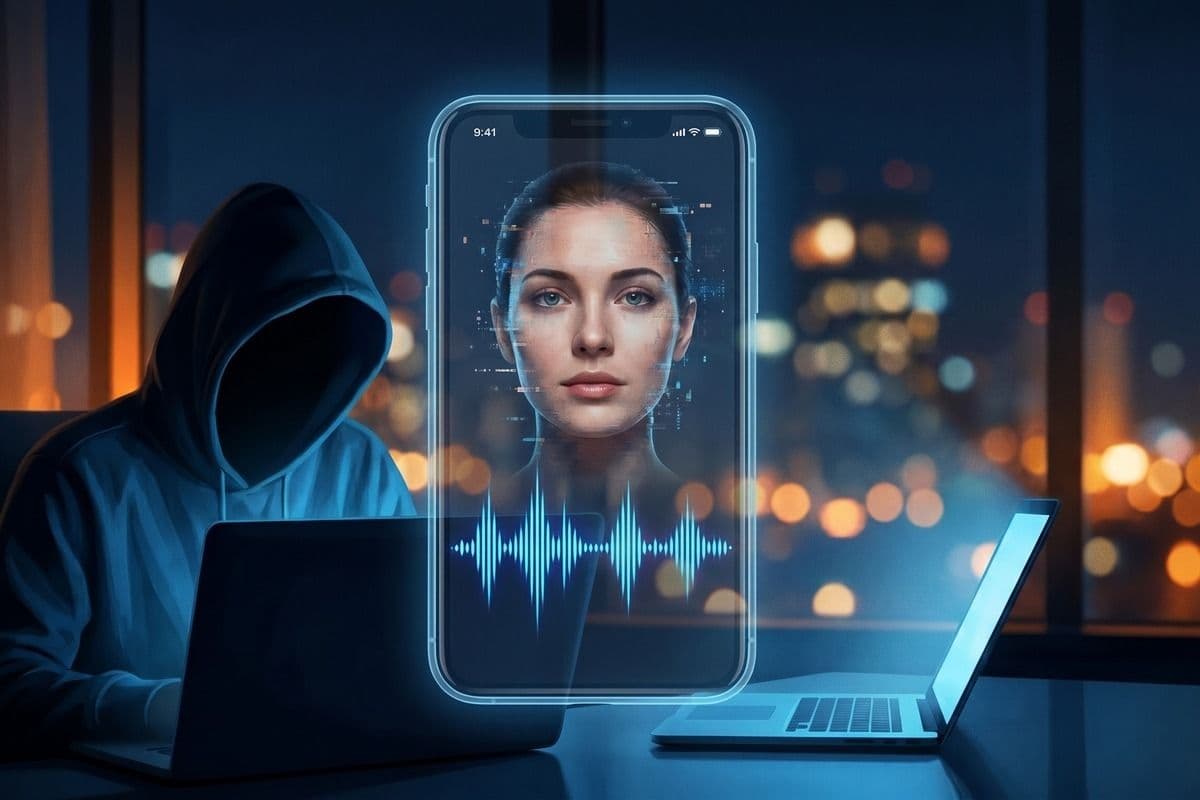
In the age of rapid technological advancement, an alarming trend has emerged: AI voice cloning scams. In 2026, these scams have reached unprecedented levels, targeting individuals and devastating their financial security. As we navigate a world where our voices can be copied as easily as a digital file, understanding this phenomenon is crucial for protecting ourselves and our loved ones.
What is AI Voice Cloning?
AI voice cloning is a technology that uses machine learning algorithms to replicate a person's voice, creating audio outputs that sound remarkably similar to the original speaker. With just a small sample of voice data- sometimes as little as a few seconds- scammers can generate entirely convincing audio clips that mimic a person’s speech patterns, tone, and emotional inflections.
According to a report, voice cloning scams surged by 1,210% in 2025, and this rapid increase shows no signs of slowing down. This spike is not just a statistic; it translates to real losses, projected to cost consumers and businesses nearly $40 billion annually by 2027.
Key Takeaway: AI voice cloning allows scammers to imitate voices convincingly, leading to significant financial and emotional consequences for victims.
How Scammers Use AI Technology
Cybercriminals harness AI voice cloning for a variety of scams, most notably:
-
Family Emergency Scams: By cloning the voice of a family member, scammers create fabricated scenarios- often involving emergencies- to extract money. For example, a victim might receive a call stating, “Mom, I need money for a hospital bill!” This tactic leverages emotional manipulation to bypass skepticism.
-
Business Impersonation Scams: Scammers can clone the voices of executives and CEOs, reaching out to employees or partners to approve fraudulent transactions. This tactic is often made easier by accessing publicly available audio or using features from platforms like social media.
-
Vishing Attacks: Voice phishing, or “vishing,” involves phone calls that utilize AI-generated voices to impersonate representatives from banks or service providers to extract sensitive information. A statistic from 2026 indicates that 1 in 4 Americans has received a deepfake voice call, showcasing the breadth of this issue.
As these scams become more sophisticated, even savvy individuals find themselves vulnerable. Victims often report substantial financial losses; a recent survey revealed that 77% of people who encountered AI voice clones suffered monetary harm.
Key Takeaway: Scammers are leveraging advanced AI technology to drive a range of emotionally manipulative scams, targeting both individuals and businesses.
Signs You're Being Targeted
As cybercriminals become more adept at leveraging AI voice cloning, recognizing the signs of a scam is essential for prevention. Here are red flags to watch for:
-
Unsolicited Calls from Friends or Family: If you receive an unexpected call from someone claiming to be a loved one asking for urgent help, especially financially, confirm directly with the person.
-
Pressure to Act Quickly: Scammers often create a sense of urgency; if you hear phrases like “You need to do this right now!” or “This is an emergency!” remain skeptical.
-
Suspicious Caller ID: Advanced techniques allow scammers to spoof phone numbers, making them appear legitimate. Always double-check with the individual through a secondary communication method.
-
Unusual Requests for Personal Information: Be cautious if the caller asks for sensitive information- legitimate institutions typically have different procedures for sharing data.
Awareness of these scams is crucial, especially in an era where AI makes it easier for fraudsters to manipulate perceptions.
Key Takeaway: Recognizing the signs of AI voice cloning scams can help you stay alert and prevent fraudulent actions against you or your loved ones.
Recovery Strategies After Falling Victim
Despite the best precautions, some individuals may still fall victim to AI voice cloning scams. Here’s a step-by-step guide on what to do if you find yourself in this situation:
-
Report It Immediately: Contact your bank or credit card company to report the scam. They may be able to reverse transactions or flag your account for suspicious activity.
-
Notify Authorities: Filing a report with local police and the Federal Trade Commission (FTC) is vital. This action helps create a record of the crime and may assist in broader investigations.
-
Monitor Your Accounts: Keep a close eye on all financial accounts and credit reports. Consider setting up alerts for transactions.
-
Educate Yourself: Understanding the mechanisms of AI scams and how they operate can fortify personal defenses against future attacks. Resources like the FTC's consumer alerts can be educational.
-
Seek Support: If the scam has caused emotional distress, consider seeking counseling or support groups. Victims of scams often deal with feelings of betrayal and anxiety, which can affect mental health.
Key Takeaway: Taking immediate action and reporting scams can minimize financial loss and contribute to combating these emerging threats.
Conclusion
As we embrace technological advancements, being aware of risks such as AI voice cloning scams is vital. These scams are not mere inconveniences; they have the potential to wreak havoc on an individual's peace of mind and financial security.
Taking proactive measures- such as educating yourself about the signs of scams and maintaining open lines of communication with friends and family- can provide essential layers of protection.
In an era where our voices can be cloned and manipulated, staying informed and skeptical is our best defense.
If you would like to learn more about how to safeguard your finances and navigate the digital landscape safely, check out the resources and services offered by Mozo. We empower you to make informed decisions and help protect your financial well-being.
Sources
- McAfee - Scammers use AI voice cloning tools to fuel new scams
- Vectra AI - AI scams in 2026: how they work and how to detect them
- American Bar Association - The Rise of the AI-Cloned Voice Scam
- Fidelity Bank - How to protect yourself from AI voice scams
- Consumer FTC - Fighting back against harmful voice cloning